
The Five Stages of Precision Parts Processing
The Five Stages of Precision Parts Processing
Precision parts machining is the precise machining of precision parts for precision equipment, with high precision requirements. This not only requires us to understand the specific material requirements and common techniques for machining parts, but also to understand the stages of precision machining of precision parts. Below, the technician from Yamei Precision will share with you the five stages of precision mechanical parts machining.
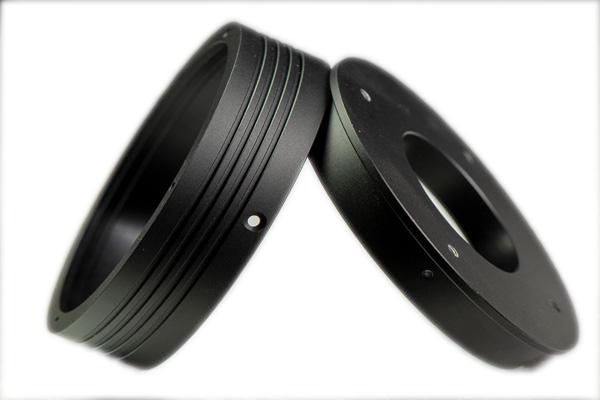
(Precision machined parts)
1. Rough machining
Mainly to improve productivity. Cut off the machining allowance of the machining surface and create a precision benchmark.
2. Semi precision machining
The main purpose is to remove defects that may occur after rough machining, while completing the machining of secondary surfaces. It is necessary to achieve a certain level of machining accuracy in order to prepare for the precision machining stage and ensure appropriate precision machining allowance.
3. Precision machining
The precision machining of parts mainly uses high cutting speed, low feed rate, and cutting depth to remove the machining allowance left by semi precision machining during the precision machining stage, so that the surface of precision mechanical parts meets the technical requirements of the drawing.
4. Finishing processing
Mainly used to reduce surface roughness or strengthen machined surfaces, mainly used for surface machining with high surface roughness requirements.
5. Ultra precision machining
The main processing methods used are precision cutting, mirror surface grinding, precision grinding, and polishing to achieve a machining accuracy of 0.1-0.01-m and a surface roughness value of ra&le for the workpiece; 0.001μm。
(Ultra precision machined parts)
summarize
The five stages of precision parts machining are a gradual process from coarse to fine, and through these five stages of machining, the accuracy of mechanical components can meet the requirements of customers.