
Basic machining knowledge that few people know about in CNC precision parts machining
Basic machining knowledge that few people know about in CNC precision parts machining [(attached) exclusion methods - below]
Due to the high precision and short delivery time of CNC precision parts processing, the operational efficiency of equipment plays an indispensable role in production and processing. Mastering basic knowledge can not only improve production efficiency, but also reduce the incidence of machine failures.
Below are some basic processing knowledge collected by the editor and shared with netizens:
Ⅰ. Flank wear
Excessive speed of the back cutting edge will result in poor or out of tolerance surface quality
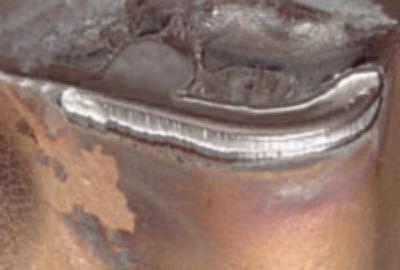
reason:
Cutting speed is too fast, or tool durability is poor.
Solution:
1. Reduce cutting speed.
2. Choose more wear-resistant cutting tools.
3. For work hardened materials, smaller main deviation angles or more wear-resistant grades should be selected.
Ⅱ. notch wear
Groove wear can cause a decrease in surface quality and fracture of cutting edges
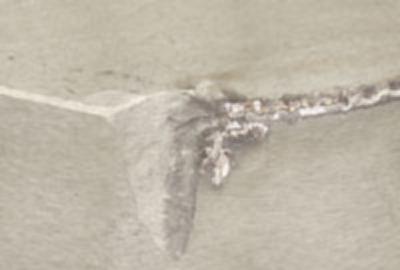
reason:
1. Oxidation
Solution: Choose a metal ceramic grade.
2. Wear and tear
Solution: Choose a more wear-resistant grade (using ceramic blades can increase cutting speed when processing heat-resistant materials).
Ⅲ. crater wear
Excessive crescent wear can cause the cutting edge to weaken. The damage to the trailing edge of the cutting edge can lead to a decrease in surface quality. Danger of blade breakage.
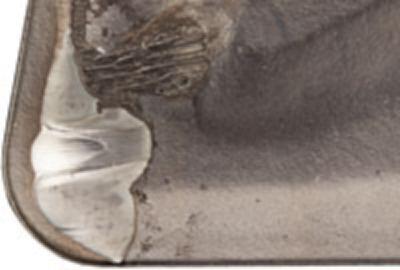
reason:
1. Diffusion wear is caused by excessive cutting temperature on the front cutting surface.
Solution:
Choose a front angled blade groove shape. Firstly, reduce the cutting speed to lower the temperature, and then decrease the feed rate.
Ⅳ. the built-up edge
The accumulation of chip nodules causes a decrease in surface quality, and when the chip nodules fall off, it can cause the cutting edge to break.
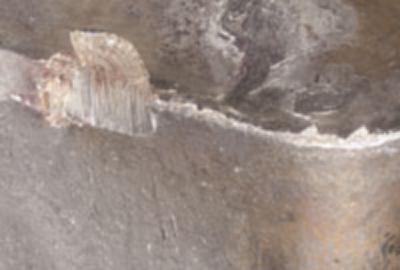
reason:
1. The cutting speed is too low.
2. Negative rake angle cutting groove shape.
3. Adhesive workpiece material.
Solution:
1. Increase cutting speed or increase cooling.
2. Choose the front corner groove shape. Reduce the feed at the beginning of cutting.
3. Choose the thin coating grade and the front corner groove shape.
CNC precision machining of parts
Ⅴ. Broken and shattered
The small breakage of the cutting edge leads to a deterioration in surface quality and excessive wear of the rear cutting surface.
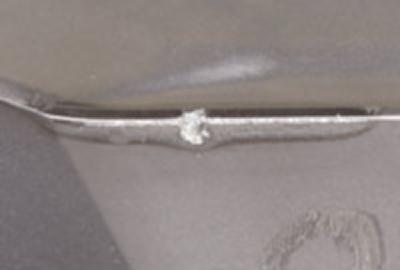
reason:
1. The brand is too brittle.
2. The blade groove is too narrow and weak.
3. Scattered tumor.
Solution:
1. Choose a brand with better toughness.
2. Choose blades with higher groove strength (for ceramic blades, larger chamfers should be selected).
3. Increase cutting speed or choose a square groove shape. Reduce cutting speed and coolant. Reduce the feed at the beginning of cutting.
Ⅵ. hot tear
Small cracks perpendicular to the cutting edge can cause blade breakage and a decrease in surface quality.
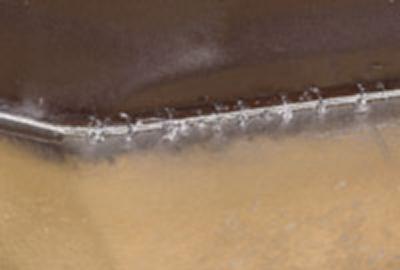
reason:
1. Intermittent cutting.
Solution: Choose a grade with better toughness that can better resist crack propagation.
The coolant should be supplied adequately or not at all.
2. Changes in coolant supply.
Solution:
1. The coolant should be supplied adequately or not used at all
Ⅶ. Blade rupture
Blade breakage not only damages the blade, but also damages the blade pad and workpiece.
reason:
1. The brand is too brittle.
2. The blade load is too high.
3. The blade groove is too narrow and weak.
4. The blade size is too small.
Solution:
1. Choose a brand with better toughness.
2. Reduce feed and/or cutting depth.
3. Choose a groove shape with higher strength, preferably a single-sided blade.
4. Choose thicker/larger blades.
- Previous:How to learn about CNC precision parts machining in 10 seconds!
- Next:No more!