
Why do CNC machining of stainless steel always have many burrs?
The CNC machining process is often accompanied by the generation of burrs, but why are there always many burrs when CNC machining stainless steel?
To solve the above questions, the technicians briefly shared their practical experience:
1. Stainless steel material factors:
Stainless steel material may contain elements such as chromium, nickel, molybdenum, titanium, nitrogen, etc., which are relatively soft. At the same time, the nickel element is relatively high, so when cutting at high temperatures, it produces sticking knives, leading to an increase in burrs.
2. Improve cutting tools:
The tool is not sharp enough because tool wear has a significant impact on the formation of burrs. When the tool wears to a certain extent, the arc of the tool tip increases. After the tool is used to a certain extent, the blade can be updated;
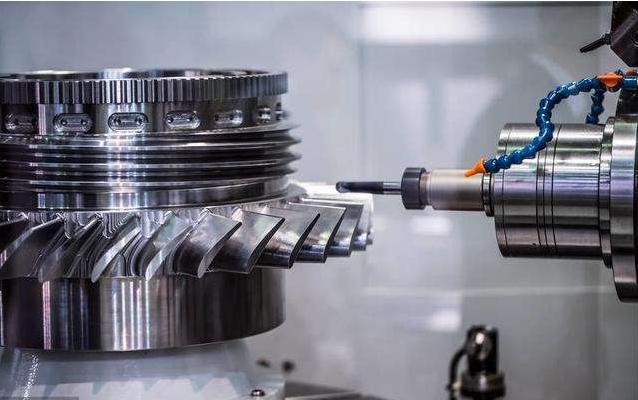
In precision machining of parts, it is even more important to use rounded corners to reduce burrs.
Under the same cutting conditions, diamond cutting tools are more conducive to suppressing burr formation than other cutting tools.
3. Order of tool tip entry and exit:
Not only will the burr size increase in the direction of tool exit, but there will also be burrs generated in the direction of tool entry;
4. Modify milling parameters, increase feed rate and adjust direction, etc;
Burrs not only reduce the accuracy and quality of parts, but also affect their functionality, and sometimes even cause safety accidents. Processing burrs is a non productive process, and improper removal can lead to the entire product being scrapped, resulting in economic losses.
If there are many burrs in CNC machining of stainless steel, wouldn't we try to find a solution based on the experience shared above?